The Function of Respite Care in Sustaining Family Caregivers
@zanderbjsa991
Business Name: BeeHive Homes of White Rock
Address: 110 Longview Dr, Los Alamos, NM 87544
Phone: (505) 591-7021
BeeHive Homes of White Rock
Beehive Homes of White Rock assisted living care is ideal for those who value their independence but require help with some of the activities of daily living. Residents enjoy 24-hour support, private bedrooms with baths, medication monitoring, home-cooked meals, housekeeping and laundry services, social activities and outings, and daily physical and mental exercise opportunities. Beehive Homes memory care services accommodates the growing number of seniors affected by memory loss and dementia. Beehive Homes offers respite (short-term) care for your loved one should the need arise. Whether help is needed after a surgery or illness, for vacation coverage, or just a break from the routine, respite care provides you peace of mind for any length of stay.
110 Longview Dr, Los Alamos, NM 87544
Business Hours
Family caregiving usually begins silently. A little girl notices her mother failing to remember medications. A spouse begins handling costs, meals, and transportation without much fanfare. A son reorganizes work hours to sit through medical professional visits and aid with bathing. At first, these duties can really feel manageable, also noble. Then the calendar fills, the sleep reduces, the phone begins sounding with medical updates, and the psychological weight of being in charge of an additional individual's daily life clears up in.
That is usually the point where respite care quits seeming like a deluxe and starts looking like a necessity.
Respite care provides family members caretakers short-term alleviation while guaranteeing an older grownup still gets assistance, guidance, and companionship. It can occur in the home, in a senior living area, in assisted living, or via a brief stay in a specialized care setup. However it is organized, the function is the same: to provide the caregiver time to remainder, recoup, deal with other responsibilities, or merely breathe without continuously checking the room for the next problem.
The value of respite care is easy to undervalue if you have actually never lived inside the daily rhythm of caregiving. From the outside, it can sound like a time-out. In method, it often avoids fatigue, minimizes conflict, and aids households stay lasting for the lengthy haul.
Caregiving is more challenging than lots of people expect
Most household caretakers do not start with an official strategy. They step in due to the fact that the requirement is prompt and personal. A parent drops, a partner's flexibility changes, a stroke or dementia diagnosis moves the household framework, and instantly everyone is improvisating. That improvisation can help a while. What catches individuals off guard is how much coordination caregiving calls for when the circumstance is persistent as opposed to temporary.
There are dishes to prepare, prescriptions to track, visits to timetable, safety concerns to keep an eye on, and emotional demands to manage. If a person is coping with memory loss, the caregiver might also be repeating the exact same responses dozens of times a day, looking for straying, and handling anxiety or complication that can flare without caution. If the older adult has actually limited wheelchair, a simple job like getting to the washroom during the night can end up being a full project.
The physical pressure is evident, however the psychological pressure is typically even worse. Several caregivers explain a consistent background hum of alertness. They do not totally unwind since they feel they can not. Also on days when nothing goes wrong, they are supported for the opportunity that it might.
That is where respite care becomes more than relief. It ends up being a stress valve.
What respite care really does
Respite care is short-term care offered to offer the key caretaker time far from their tasks. The break might last a couple of hours, a full day, a weekend, or much longer. Relying on the setup and the requirements of the older adult, it can involve help with meals, showering, flexibility, medication pointers, companionship, and supervision.
What makes respite care so beneficial is that it fills up the void without requiring a family members to make an irreversible decision before they prepare. Many people think about senior care as a solitary fork in the roadway, either the older grown-up stays home with family assistance or actions into assisted living. The truth is extra flexible. Some family members utilize respite care as a bridge, specifically when they are contrasting options for assisted living near me or looking into senior care near me for the first time. Others use it regularly to keep caregiving at home viable.
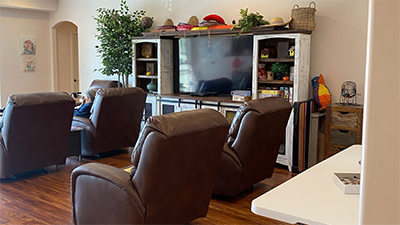
A brief stay in assisted living can be especially practical when the caretaker requires time for surgical treatment healing, traveling, job obligations, or psychological wellness recovery. In that setting, the older grown-up take advantage of an organized setting, meals, support, and social contact, while the caregiver obtains genuine downtime as opposed to a couple of hurried hours squeezed in between chores.
The emotional alleviation issues as long as the useful help
Caregiving tension is not just about being busy. It is about being responsible. That difference issues. An individual can employ assistance for home cleaning or lawn job and really feel lighter right away. Yet when the task is taking care of a parent or spouse, shame often accompany with every decision.
Many caretakers really feel guilty for requiring a break. They worry that tipping away indicates they are falling short, deserting, or somehow caring much less. That guilt is common, yet it is additionally deceptive. Respite care is not an indication that the caregiver has quit. It is often an indicator that the caretaker understands what is required to maintain going.
I have actually seen families reach a transforming factor after only a single weekend of respite. The caretaker returns much less responsive, much more patient, and much better able to see what is actually occurring instead of what they fear could occur. The older adult, on the other hand, might gain from seeing one more relied on individual action in, specifically when the routine has actually come to be strained. Also a short adjustment of speed can soften the emotional atmosphere in the household.
This is especially real when the caregiving relationship has ended up being stretched. Grown-up children caring for a parent may bring years of family members history into the area. Spouses may fight with duty turnaround and grief. Respite care does not remove those dynamics, yet it can disrupt the cycle long enough for every person to reset.
Burnout is not a dramatic event, it is a slow-moving accumulation
People imagine exhaustion as a sudden collapse. More frequently, it integrates in normal increments. The caregiver skips a dish due to the fact that the older grown-up requirements assist initially. They cancel a lunch with a good friend since it really feels less complicated than arranging coverage. They maintain claiming yes, maintain pressing through, maintain solving troubles late in the evening. Over time, irritability surges, persistence thins, and sleep high quality declines.
By the time burnout ends up being visible, the body may currently be under pressure. Frustrations, digestive system concerns, raised anxiousness, and relentless exhaustion are common. The caretaker might start making small errors, neglecting directions from physicians, or sensation psychologically level. That is when high quality of care can begin to slip.
Respite care disrupts that pattern prior to it becomes hazardous. It develops area for the caretaker to sleep, attend their very own medical appointment, capture up on job, or just sit in a quiet residence without being on task. That rest is not indulgent. It is maintenance. A caregiver who is chronically worn down has less persistence, less emphasis, and fewer reserves for emergencies.
In sensible terms, respite care can be the distinction in between a family members maintaining someone in the house and reaching the factor where home care is no more risk-free. That is one reason a lot of knowledgeable families deal with respite as component of senior care, not a last resort.
Different households need various sort of respite
There is no solitary version of respite care that fits every home. Some families need aid a few hours a week so the caretaker can run duties or recoup from a shift at work. Others require a longer block of insurance coverage after a hospitalization, when mobility is restricted or the home setting needs to be readjusted. Some use respite once or twice a year during travel, while others schedule it consistently because the caregiving demands are constant.

The setup matters also. At home respite might function well when the older adult is comfortable in the house and does not need a significant change in routine. A skilled aide can step in, adhere to the care plan, and maintain the atmosphere familiar. For more complex demands, a senior living community or assisted living setup may offer more assistance than an at-home plan can realistically supply. That is especially real for individuals who require aid with several activities of daily living or that are risky when left alone.
Families typically start by looking for senior living alternatives or senior care near me when they recognize the present plan is tearing. That search is generally much less about making a dramatic modification and even more about finding the right amount of assistance at the correct time. Respite care can work as a dry run, giving every person a chance to see exactly how the older grown-up responds to a various environment and whether a future step right into assisted living could make sense.
The older adult's experience ought to not be overlooked
Respite care is typically talked about as if it only offers the caretaker. It certainly does support the caretaker, but it also influences the older adult's sense of self-respect, comfort, and safety.
A good respite remain need to feel respectful, not turbulent. The older grownup should understand that is aiding them, what the routine will certainly be, and how their preferences will certainly be honored. The more amnesia or anxiousness is involved, the more crucial connection comes to be. Familiar clothes, favorite foods, composed regimens, and clear communication can make a short-lived stay much smoother.
Some older grownups resist respite care at first. They might stress they are being "put away" or be afraid that a brief remain implies a permanent relocation. That reaction is easy to understand. The means the household structures the experience issues. It aids to explain respite as a practical plan, one that enables everybody to remainder and return with even more power. When the stay remains in assisted living or senior living, it also helps to explain the setup precisely. Meals are supplied, personnel are readily available, and activities may supply some social link, yet the goal is not to compel a way of life change overnight.
I have also seen older adults stun their family members by enjoying the break in regular. Someone who has actually been separated in the house might appreciate discussion at dishes, an adjustment of scenery, or the sensation that another person is taking cost for a couple of days. That does not imply they desire a long-term action, however it can be an important data point.
Respite care can improve family dynamics
Caregiving typically transforms the family members system in ways that are tough to predict. Siblings might disagree about what level of assistance is senior living required. One child may do most of the hands-on job while others live further away and weigh in from a distance. Spouses might really feel guilty requesting help. These stress are not uncommon, yet they can end up being destructive if there is no alleviation in sight.
Respite care can minimize rubbing because it creates space for choices to be made with much less necessity. A worn out caregiver is most likely to really feel unheard. A rested caregiver is most likely to pay attention, hand over, and strategy. Even the basic understanding that a break is scheduled can move the tone at home. It tells everybody that the setup is not irreversible mayhem. There is a strategy, even if the plan is modest.
This can be particularly crucial when member of the family are checking out assisted living near me for a parent who insists they are "great" yet plainly require even more aid than a single person can safely offer. Respite care supplies a chance to evaluate options without devoting too early. That issues because several families are not attempting to select in between excellent and bad. They are choosing in between numerous incomplete alternatives and trying to find the least turbulent one.
What to look for when preparing respite care
The most helpful respite care is not just available. It is appropriate. A brief keep or short-lived plan ought to match the older adult's physical demands, cognitive status, character, and preferences as very closely as possible.
A family should really feel comfy asking direct concerns concerning medicine monitoring, staffing proportions, emergency situation procedures, experience with memory care, nourishment assistance, transportation, and communication with the main caretaker. If the older grownup has dementia, the team needs to recognize behavior modifications, straying threat, and exactly how to reroute without rising distress. If mobility is limited, they should be clear concerning transfers, drop prevention, and showering assistance.
The caretaker additionally requires to understand what occurs throughout their lack. Will they get updates? Who is the point of get in touch with? What takes place if the older grown-up ends up being dismayed or refuses care? These details are not small. They determine whether the caregiver can truly rest or whether they will certainly invest the entire break worrying.
If you are contrasting senior care options for the first time, it helps to look at the bigger image, not just the immediate demand. An area that can provide respite care today might also be the ideal suitable for longer-term senior living tomorrow. That connection can make future transitions much less stressful.
When respite care enters into a lasting care plan
The healthiest caregiving arrangements are frequently the ones that confess limits early. Family love does not produce added hours in the day. It does not protect against dementia from advancing or joint inflammation from getting worse. At some point, support needs to be matched to reality.
That is why respite care usually becomes part of a broader care technique rather than a single emergency situation device. A family might use it monthly, every couple of months, or throughout certain periods when caregiving becomes harder. Winter season weather, post-hospital recuperation, and holidays often include stress and anxiety. Also strong caregivers require a margin of safety.
For some families, repeated use of respite care discloses that the current setup is no more sufficient. That can be uncomfortable, yet it is likewise helpful information. If every break feels like a rescue objective, or if the older adult is plainly much safer and calmer in a supervised setting, the family may require to take into consideration assisted living much more seriously. That is not a failing. It is a sincere reaction to changing needs.
Why respite care secures greater than the caregiver
The most neglected advantage of respite care is stability. Not simply psychological stability, however functional security. A rested caregiver makes much better choices. A less tired household interacts much more plainly. An older grownup who gets qualified assistance has fewer gaps in care. The whole house features much better when pressure does not build to the breaking point.
Caregiving is commonly framed as a test of endurance. That is the incorrect lens. Stamina without relief results in collapse. Sustainable caregiving depends upon interruption, recovery, and support from individuals and systems that comprehend what the job actually needs. Respite care is just one of the few tools that resolves the human side of the formula, not just the logistical side.
The family members that do finest are seldom the ones who try to do every little thing alone. They are the ones that find out, sometimes gradually and often after a tough scare, that approving assistance belongs to liable care. A few days of alleviation can protect months of patience. A short stay in assisted living can prevent a crisis in the house. A very carefully selected respite arrangement can keep everybody steadier, calmer, and safer.
For many families, that is the genuine role of respite care. It is not a detour from caregiving. It is what makes caregiving possible.
BeeHive Homes of White Rock provides assisted living care
BeeHive Homes of White Rock provides memory care services
BeeHive Homes of White Rock provides respite care services
BeeHive Homes of White Rock supports assistance with bathing and grooming
BeeHive Homes of White Rock offers private bedrooms with private bathrooms
BeeHive Homes of White Rock provides medication monitoring and documentation
BeeHive Homes of White Rock serves dietitian-approved meals
BeeHive Homes of White Rock provides housekeeping services
BeeHive Homes of White Rock provides laundry services
BeeHive Homes of White Rock offers community dining and social engagement activities
BeeHive Homes of White Rock features life enrichment activities
BeeHive Homes of White Rock supports personal care assistance during meals and daily routines
BeeHive Homes of White Rock promotes frequent physical and mental exercise opportunities
BeeHive Homes of White Rock provides a home-like residential environment
BeeHive Homes of White Rock creates customized care plans as residents’ needs change
BeeHive Homes of White Rock assesses individual resident care needs
BeeHive Homes of White Rock accepts private pay and long-term care insurance
BeeHive Homes of White Rock assists qualified veterans with Aid and Attendance benefits
BeeHive Homes of White Rock encourages meaningful resident-to-staff relationships
BeeHive Homes of White Rock delivers compassionate, attentive senior care focused on dignity and comfort
BeeHive Homes of White Rock has a phone number of (505) 591-7021
BeeHive Homes of White Rock has an address of 110 Longview Dr, Los Alamos, NM 87544
BeeHive Homes of White Rock has a website https://beehivehomes.com/locations/white-rock-2/
BeeHive Homes of White Rock has Google Maps listing https://maps.app.goo.gl/SrmLKizSj7FvYExHA
BeeHive Homes of White Rock has Facebook page https://www.facebook.com/BeeHiveWhiteRock
BeeHive Homes of White Rock has an YouTube page https://www.youtube.com/@WelcomeHomeBeeHiveHomes
BeeHive Homes of White Rock won Top Assisted Living Homes 2025
BeeHive Homes of White Rock earned Best Customer Service Award 2024
BeeHive Homes of White Rock placed 1st for Senior Living Communities 2025
People Also Ask about BeeHive Homes of White Rock
What is BeeHive Homes of White Rock Living monthly room rate?
The rate depends on the level of care that is needed (see Pricing Guide above). We do a pre-admission evaluation for each resident to determine the level of care needed. The monthly rate is based on this evaluation. There are no hidden costs or fees
Can residents stay in BeeHive Homes until the end of their life?
Usually yes. There are exceptions, such as when there are safety issues with the resident, or they need 24 hour skilled nursing services
Do we have a nurse on staff?
No, but each BeeHive Home has a consulting Nurse available 24 – 7. if nursing services are needed, a doctor can order home health to come into the home
What are BeeHive Homes’ visiting hours?
Visiting hours are adjusted to accommodate the families and the resident’s needs… just not too early or too late
Do we have couple’s rooms available?
Yes, each home has rooms designed to accommodate couples. Please ask about the availability of these rooms
Where is BeeHive Homes of White Rock located?
BeeHive Homes of White Rock is conveniently located at 110 Longview Dr, Los Alamos, NM 87544. You can easily find directions on Google Maps or call at (505) 591-7021 Monday through Sunday 9:00am to 5:00pm
How can I contact BeeHive Homes of White Rock?
You can contact BeeHive Homes of White Rock by phone at: (505) 591-7021, visit their website at https://beehivehomes.com/locations/white-rock-2/, or connect on social media via Facebook or YouTube
Ashley Pond offers flat walking paths and scenic views where residents in assisted living, memory care, senior care, elderly care, and respite care can enjoy calm outdoor relaxation.